Abstract
This thought-provoking article critiques dominant Western models of innovation and explores how indigenous knowledge, community wisdom, and frugal innovation drive transformation in African societies. It advocates for epistemic justice and localized approaches to technological and social innovation.
Introduction
Innovation in Africa has long been viewed through the prism of Western benchmarks—patents, research labs, and high-tech startups. Yet this lens ignores the ingenuity embedded in everyday problem-solving among African communities. From herbal pharmacology to water filtration systems fashioned from local materials, innovation takes many forms—and not all require Silicon Valley’s stamp of approval.
The Western Bias in Innovation Metrics
Global innovation indexes often overlook contributions that don’t originate from formal R&D labs. As a result, Africa’s rich and diverse systems of knowledge are undervalued. The epistemological bias that privileges written knowledge over oral, or formal science over traditional medicine, sustains a global imbalance in what is recognized as “real innovation.”
Frugal Innovation in Practice
In Uganda, Makerere University students developed a low-cost blood testing kit that uses locally available components. In Malawi, a young innovator built wind turbines from scrap materials to generate power for his village. These examples of frugal innovation demonstrate how resource constraints fuel creative solutions grounded in contextual awareness.
Indigenous Knowledge and Epistemic Justice
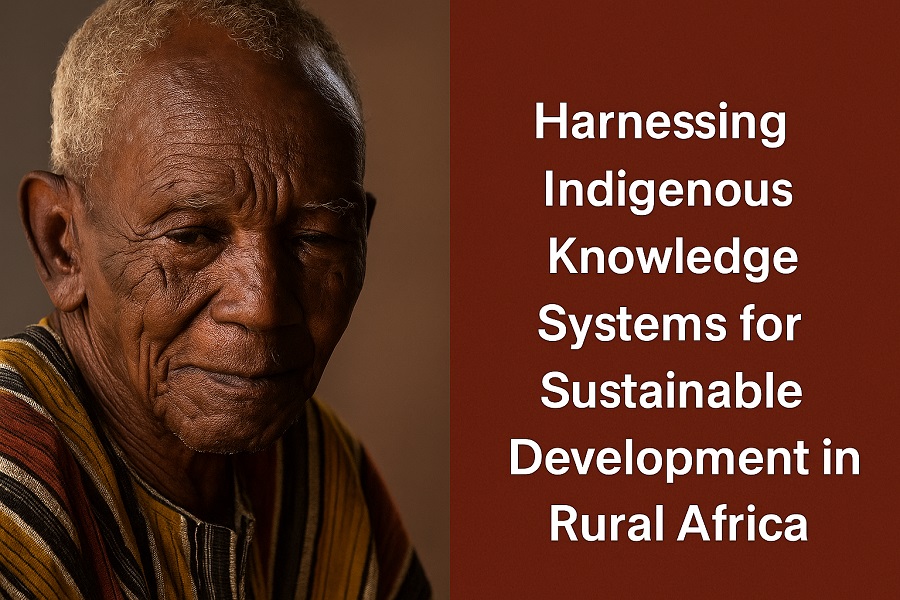
Indigenous knowledge systems in Africa—encompassing agricultural practices, traditional healing, and conflict mediation—are often dismissed as pre-modern or anecdotal. Yet these systems have sustained communities for generations. Advocating for epistemic justice means legitimizing these systems within policy, research, and education.
Social Entrepreneurship and Collective Ingenuity
Decolonizing innovation is not just about recognizing alternative forms of knowledge; it’s also about shifting who participates. Across the continent, youth-led enterprises and women’s cooperatives are addressing local issues—from menstrual health to food security—through collective, community-based innovation models.
Toward Inclusive Innovation Ecosystems
Building inclusive innovation ecosystems requires investment in informal learning, decentralized innovation hubs, and multilingual knowledge dissemination. Universities, governments, and donors must reframe success metrics to include cultural relevance, accessibility, and community ownership.
Conclusion
A truly decolonized innovation landscape is one where African communities define, develop, and deploy solutions rooted in their own realities. Recognizing and amplifying these forms of innovation is not only an act of justice—it is a strategy for sustainable development and resilience.
References
- Chilisa, B. (2022). *Indigenous Research Methodologies in Africa*. Routledge. https://doi.org/10.4324/9781003244753
- de Sousa Santos, B. (2016). *Epistemologies of the South: Justice Against Epistemicide*. Routledge. https://doi.org/10.4324/9781315634872
- Smith, L. T. (2012). *Decolonizing Methodologies: Research and Indigenous Peoples*. Zed Books. https://doi.org/10.5040/9781350225283
- Waruingi, B. (2020). “Reimagining Innovation in Africa.” *African Journal of Science, Technology and Society*, 9(1), 1–16. https://doi.org/10.1080/20421338.2020.1867438