Abstract: Across East Africa, traditional practices are undergoing a dynamic process of adaptation in response to globalization, urbanization, and generational change. This article explores how indigenous values and customs are being reimagined in modern contexts, focusing on their integration into education, governance, fashion, and identity expression in countries like Rwanda, Uganda, and Kenya.
Introduction
The negotiation between tradition and modernity is a defining feature of contemporary African identity. In East Africa, the preservation of indigenous practices exists alongside rapid socio-economic change. This duality challenges individuals and societies to find balance between honoring the past and adapting to the future (Mazrui, 1990).
Cultural Anchors in a Changing Landscape
Practices such as the Rwandan gacaca courts, Ugandan clan systems, and Kenyan rites of passage have historically grounded communities. Today, these traditions are being reassessed not as relics, but as frameworks for ethics, justice, and community resilience (Mutua, 2013).
Youth, Identity, and Creative Reinterpretation
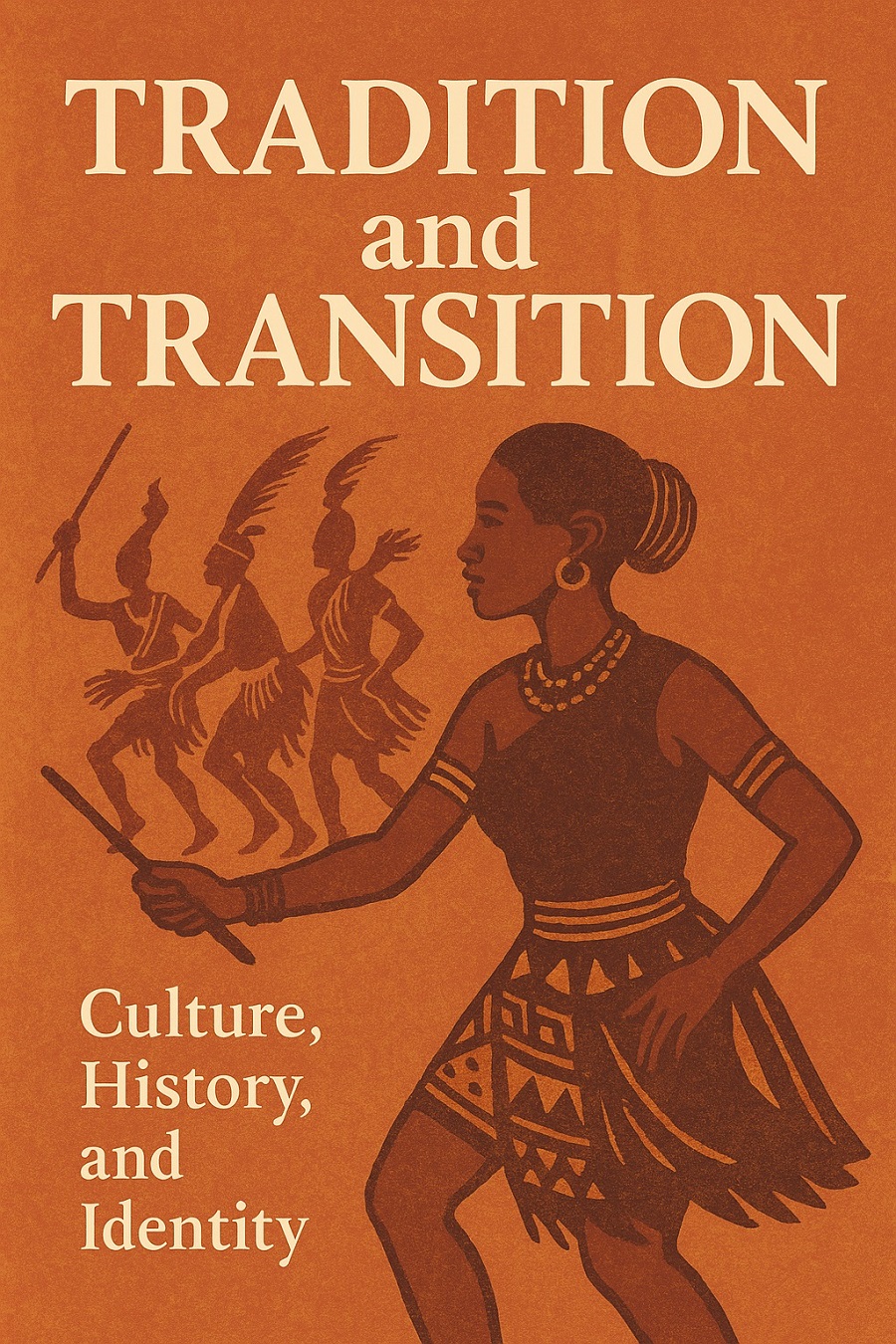
African youth are at the forefront of redefining tradition. Through fashion, music, and digital storytelling, young people fuse ancestral symbols with contemporary aesthetics. In Kigali, for example, fashion designers incorporate traditional Kitenge patterns into avant-garde clothing that speaks to both heritage and innovation (Nkurunziza, 2021).
Education and Language Revitalization
Language is central to identity. Across East Africa, there is a resurgence of interest in indigenous languages like Kinyarwanda, Luganda, and Kiswahili. Schools are integrating local culture and oral traditions into formal curricula to preserve linguistic and cultural diversity (UNESCO, 2019).
Globalization and the Risk of Cultural Erosion
While integration with global systems offers opportunities, it also poses risks. Commercialization, migration, and homogenized media threaten to erode unique traditions. Policies that support cultural preservation, including intellectual property protection for indigenous art, are increasingly vital (WIPO, 2022).
Conclusion
Tradition and modern identity are not mutually exclusive. East African societies continue to demonstrate that cultural practices can evolve without losing their essence. In this interplay lies the creative resilience of the region—a living heritage that adapts, resists, and redefines itself with every generation.