Flagship Section

The University and the Future of Work in the Age of AI

Four flagship papers on curriculum renewal, employability, algorithmic power, and the remaking of professional life.

A flagship inquiry into higher education, labour, and technological change

Artificial intelligence is not merely adding new tools to academic life. It is altering the conditions under which knowledge is produced, judged, taught, and translated into work. Universities now face a deeper challenge than digital adaptation. They must decide whether they will remain institutions of intellectual formation, ethical judgment, and public responsibility, or become reactive service providers shaped by external technological pressures.

This section brings together four original papers that examine this transition from complementary angles. The collection moves from curriculum and pedagogy, to graduate employability, to inequality and algorithmic governance, and finally to university–industry relations in the AI economy. Taken together, the papers ask what the university must defend, what it must redesign, and how it can engage a changing world of work without surrendering its public mission.

Four papers for a university under pressure to think again

Each paper is intellectually distinct, yet part of a single conversation about how higher education should respond to artificial intelligence without collapsing into technological fashion, labour-market reductionism, or weak institutional ethics.

Curriculum and pedagogy banner for the AI-enabled university paper

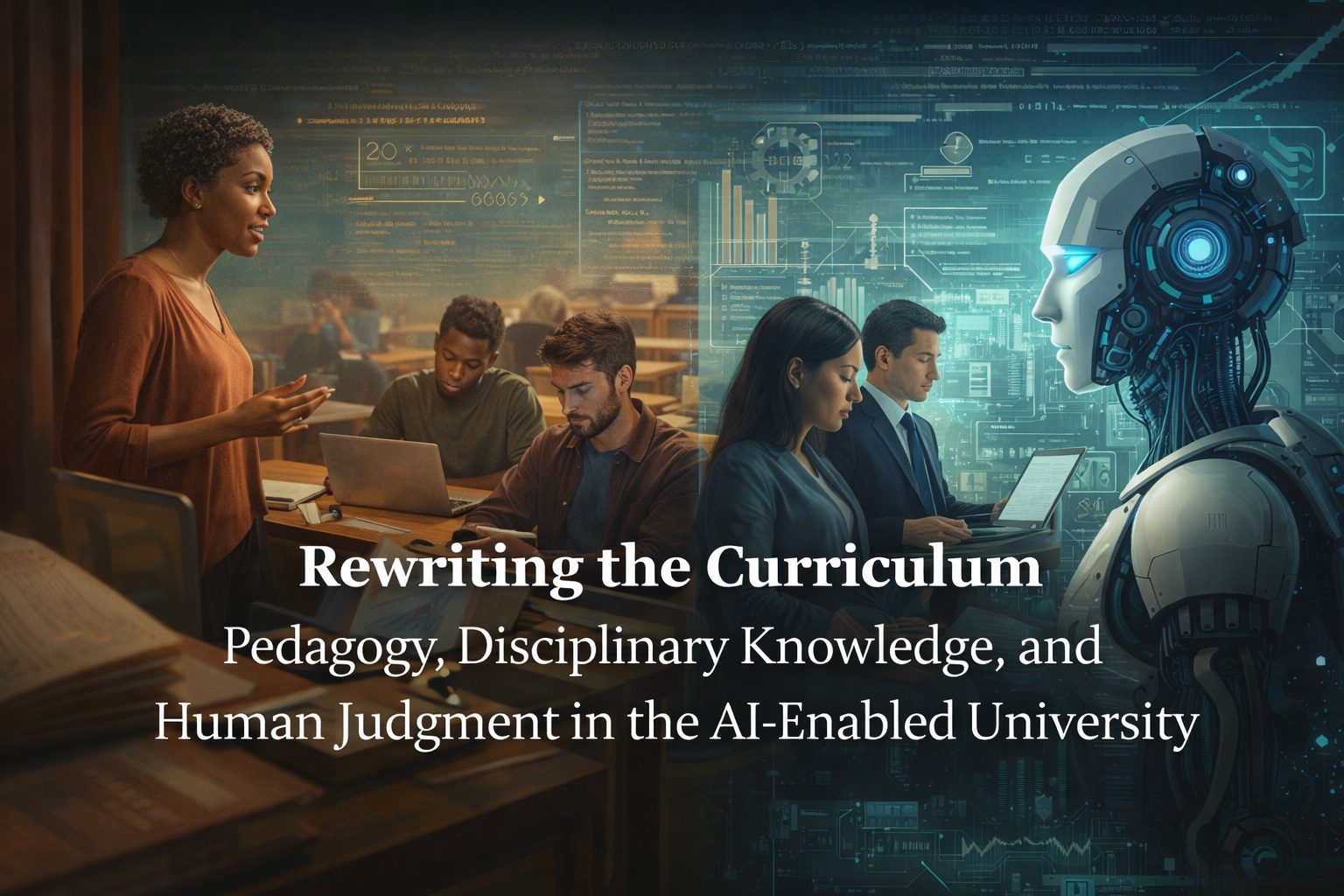
Rewriting the Curriculum: Pedagogy, Disciplinary Knowledge, and Human Judgment in the AI-Enabled University

This paper argues that the central challenge of AI in higher education is curricular rather than merely technical. It calls for stronger disciplinary formation, reflective pedagogy, and assessments that reward judgment rather than automated fluency.
Graduate employability and AI labour market transition banner

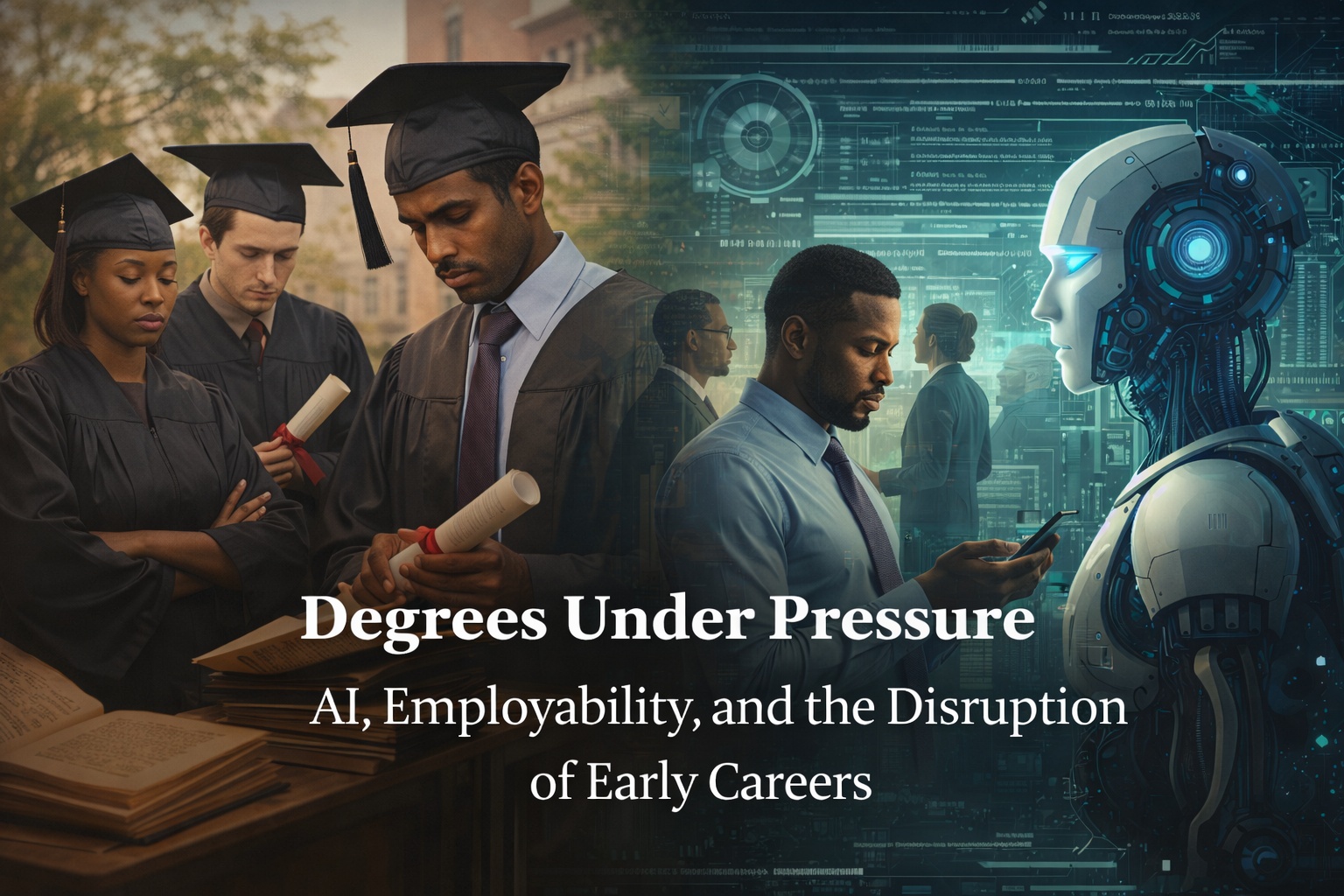
Degrees Under Pressure: Graduate Employability and Labour-Market Transformation in the Age of AI

This paper examines how automation, task redesign, and digital inequality are reshaping the relationship between university credentials and professional opportunity. It reframes employability as a structural question for institutions, not merely an individual burden for students.

Algorithmic governance, ethics, and university power banner

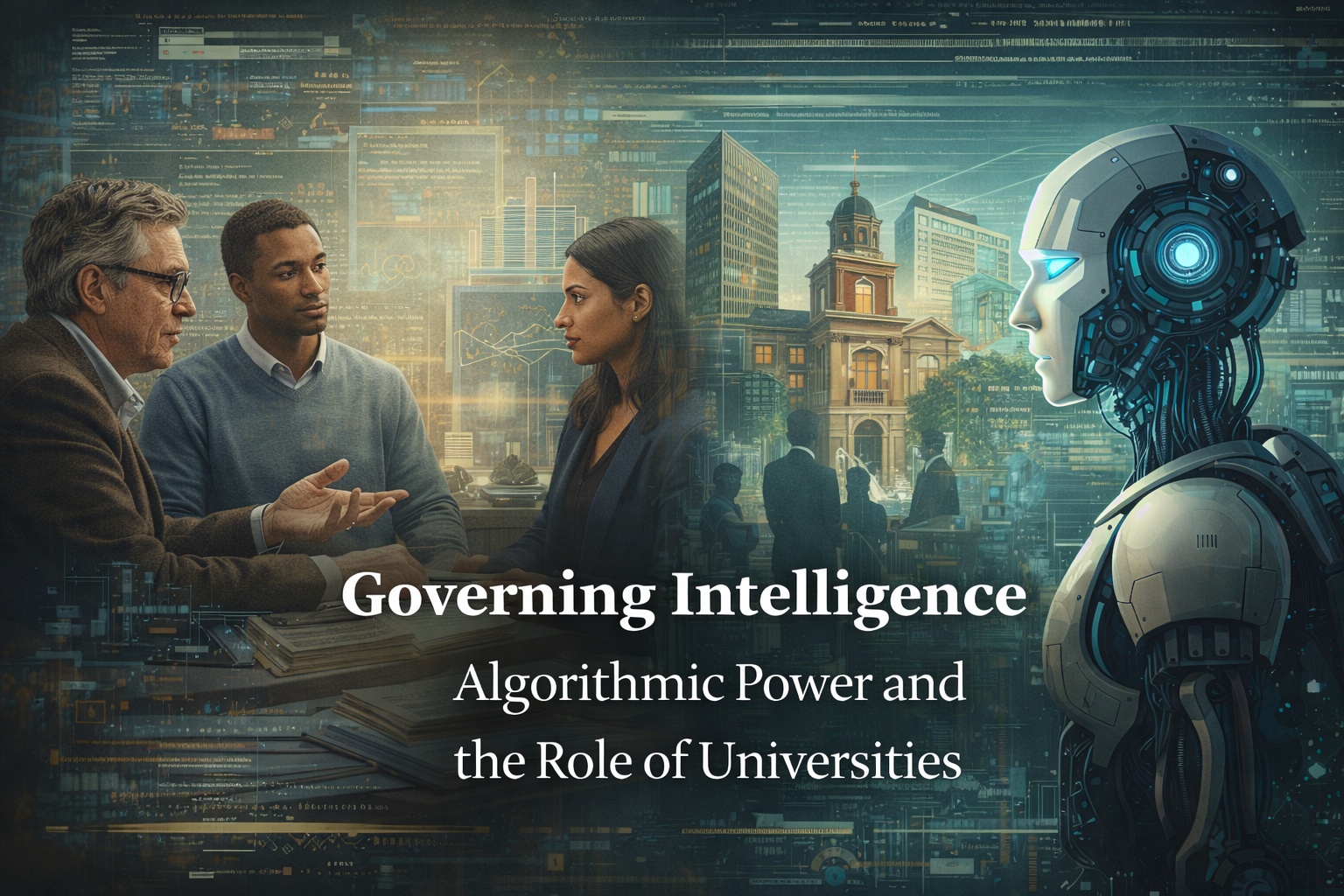
Governing Intelligence: Universities, Algorithmic Power, and the Ethics of Inequality

This paper explores universities as sites where algorithmic power is both developed and experienced. It analyses how AI systems affect governance, surveillance, legitimacy, and social sorting, and argues for stronger accountability and public ethics.

University-industry partnership and professional work banner

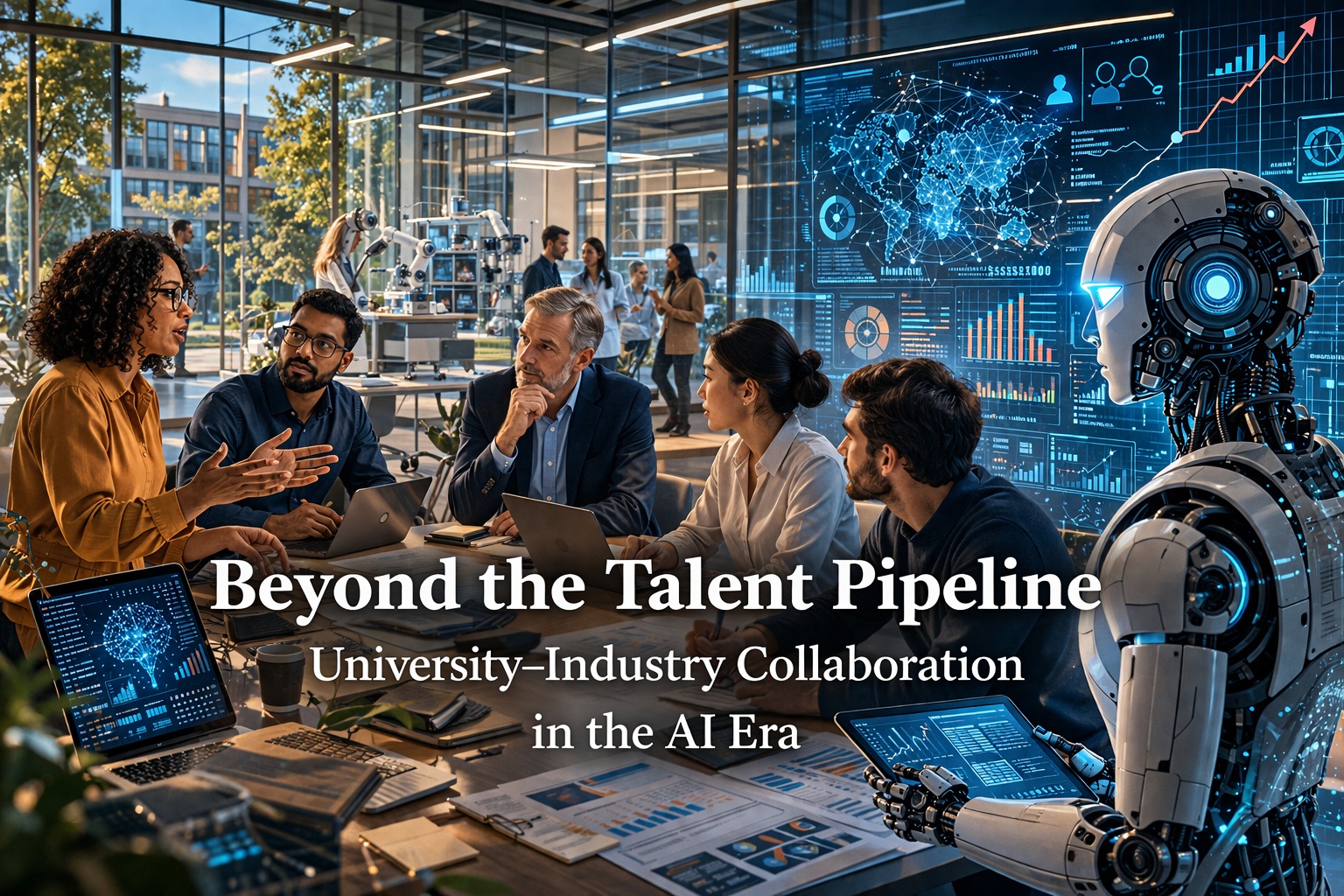
Beyond the Talent Pipeline: University–Industry Partnerships, Innovation Systems, and the Future of Professional Work

This paper rethinks partnership in the AI economy. It shows why universities must engage industry with reciprocity, ethical responsibility, and long-term institutional purpose rather than reducing themselves to narrow workforce suppliers.

A serious contribution to a defining educational debate

The future of work debate often suffers from speed, hype, and abstraction. This section slows the conversation down and restores institutional seriousness to it. Rather than asking only how universities can keep up, these papers ask what universities are for, what kinds of work they should prepare students to enter, and what ethical responsibilities they must uphold in an age of intelligent systems.

For readers of The Voice Journal, this is not simply a technology section. It is a higher education, governance, labour, and justice section at once. It speaks to policymakers, university leaders, scholars, and doctoral readers who want a more rigorous framework for thinking about AI, professional futures, and the public role of the university.